- EP 64: Luminous Phenomena: Rïse Peacock’s Artistic Journey and Curatorial Intersections at CMoG
- EP 63: Understanding the Science Behind the Art of Neon with Dani Kaes
- EP 62: Bright Ideas: Balancing Art and Career with Jacob Willcox
- EP 61: Exploring Light and Ephemeral Art with Alexander Groves of Studio Swine
- EP 60: Neon Primer with Kacie Lees!
- EP 59: Neon Insights: Alta Robbins’ Valve Innovations with Greg Wilson
- EP 58: Neon Glo with Adam Smo
- EP 57: Kiln-Formed Glass and Plasma with Mark Ditzler
- EP 56: A conversation on Conservation with Suzanne Hargrove of Toledo Museum of Art
- EP 55: Under Vacuum with Angie McHale ft Pat Gadzinski
- Podcast | EP 54: A Glowing Potential with Kate Herron
- Podcast | EP 53: From Furnace to Neon – Pulling Neon Tubes with Ethan Samaha ft. Zach Layhew
- Podcast | EP 52: Emerging Light and Space Artist, Ethan Samaha
- Apex Interview: Blowing Glass and Taming Lightning with Percy Echols II
- Podcast | EP 50: Light in Transmission – On Curating and Critique with Vicky Clark
- Podcast | EP 49: Glass Quarterly n0. 163, LIT review
- Podcast | EP 48: Return to Taming Lightning
- EP 51 – On pioneers of gas discharge lighting: Daniel McFarland Moore featuring Wayne Strattman
- Podcast | EP 47: Thomas Zickuhr & Neon Lab
- Podcast | EP 46: Neon as Systems Building with Ben Orozco
-
🆓Handbook of Electron tube and vacuum techniques by Fred Rosebury
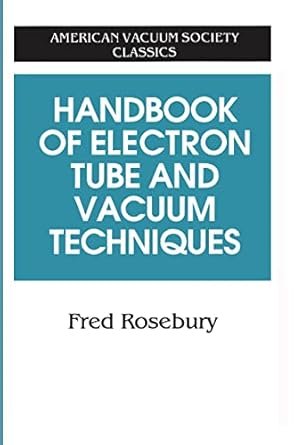
Fred Rosebury’s Handbook of Electron Tube and Vacuum Techniques (1965). This volume is more than a manual—it’s a bridge between the physics of vacuum systems and the craft of building electron tubes. Rosebury meticulously documents methods for glass‑to‑metal seals, electrode fabrication, pumping strategies, and leak detection, while also providing practical guidance on materials and instrumentation.
-
STORE Notice: Away for the Holidays Dec 22nd, 2025 – January 2nd, 2026
-
Youtube | Inside Global Rare Gases: A Guided Tour with Jim Avolt
Step inside the fascinating world of rare gases with Taming Lightning LLC. In this special tour of Global Rare Gases, Percy Echols II (artist, educator, and founder of Taming Lightning) goes behind the scenes with Jim Avolt to learn more about Global Rare Gases and how it is able to support smaller businesses and individuals…
-
A New Chapter in Plasma Power: Amazing1, The successor to Information Unlimited
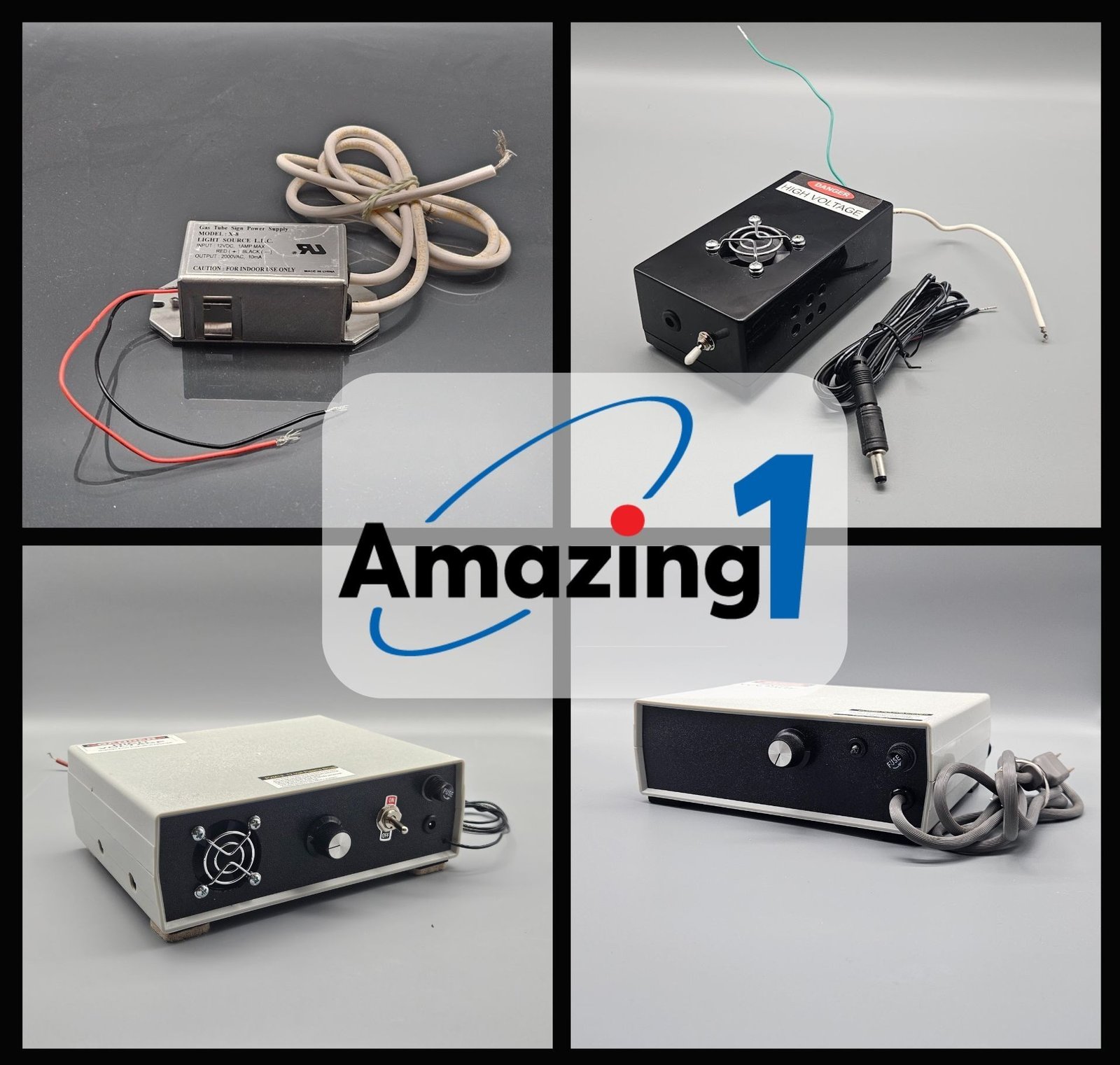
We’ve partnered with Amazing1, the successor to Information Unlimited, to bring back and upgrade classic neon & plasma power supplies! From the 3kV NeonUL and 10kV Neon21 to the new PVM12 and PVM400, these drivers feature plug‑and‑play enclosures, cooling fans, and enhanced safety—making plasma art more accessible than ever.
-
Summer 2026 Pittsburgh Glass Center’s Neon and Plasma Lineup! Kacie Lees, Percy Echols II, and Angela McHale!
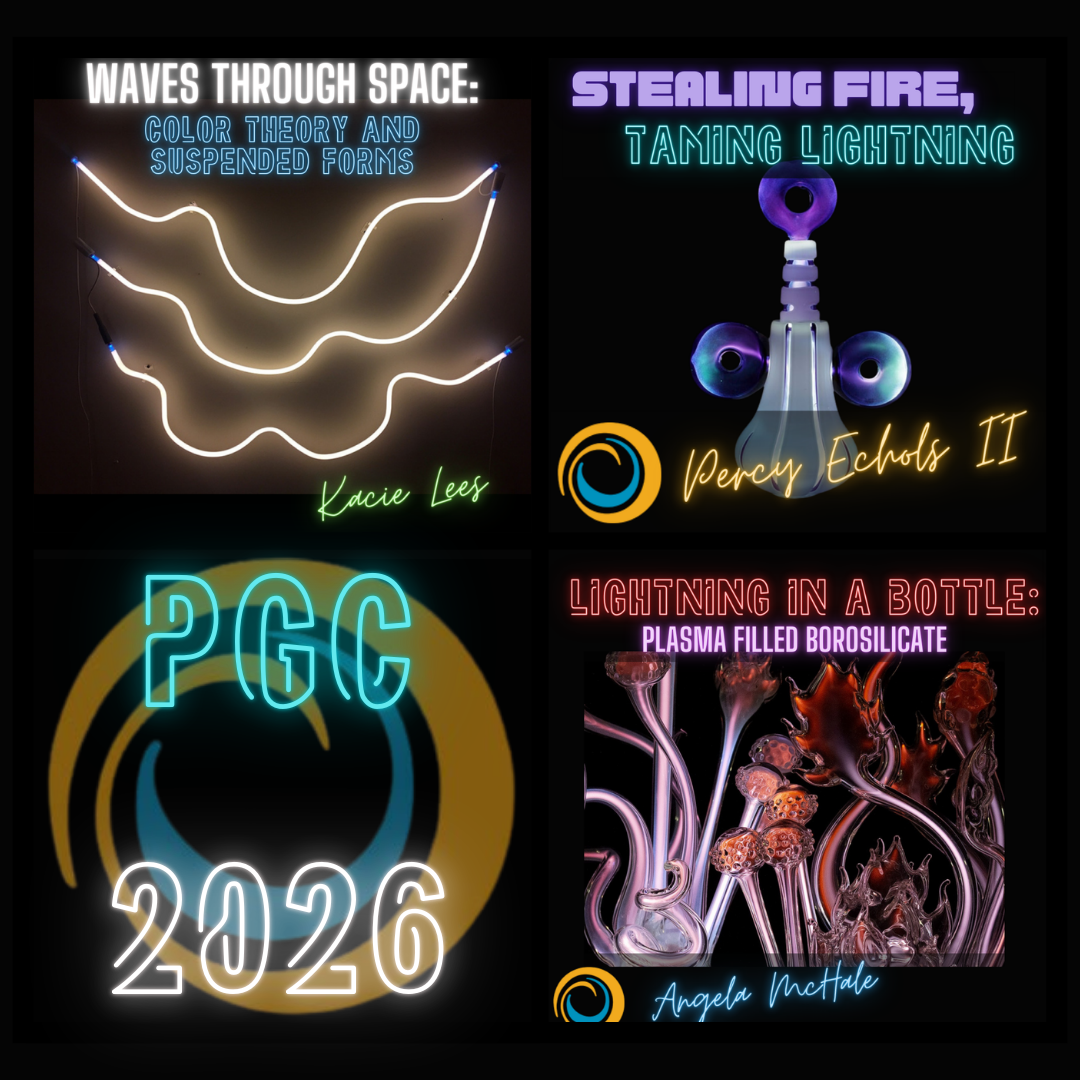
As the winter season approaches, so does the desire for Spring and Winter to arrive! The 2026 schedule for week-long Neon and Plasma intensives at the Pittsburgh Glass Center is here, and I’m excited to share it with you as quickly as it landed in my hands. The Pittsburgh Glass Center (PGC) has grown as…


Subscribe for Mailing List for Blog Updates!
Categories
- 2026
- 3D Models
- All
- Articles
- Artist Interviews & Field Notes
- Behind the Scenes
- Call For Artists
- Chapter X Notes
- Classes
- Collaboration
- Community
- Documentary
- Elements Of Plasma
- FAQS
- Fundraiser
- Guest Blog
- Guest Podcast
- History & Archives
- Intro To Plasma
- Livestream
- Motivation
- Patreon
- Podcast
- Polls And Surveys
- Residency
- Resources
- Science & Technical
- Store
- The Research Lab Library
- Tutorial
- Uncategorized
- updates
- Video
- Videos & Multimedia
- Vlog